
Reframing Classroom Management

Reframing Classroom Management

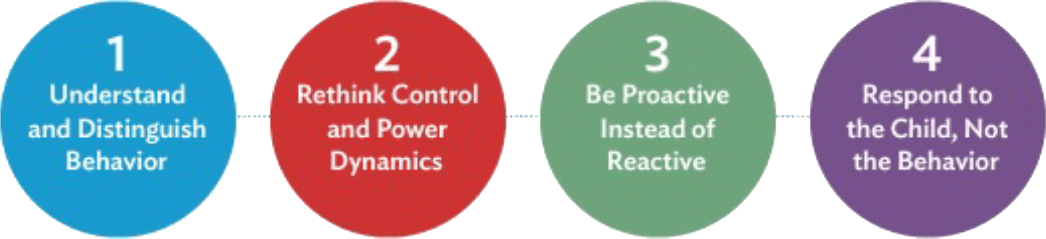
Fostering positive outcomes for all students requires a shift in how classroom management is approached. The following strategies focus on four essential areas that can be transformative for both staff and students:
Reframing Classroom Management

  1. Understand and Distinguish Behavior
    • Behavior as Communication: Recognize that all behavior is a form of communication, reflecting what a student might be trying to convey.
    • Identify Triggers: Help teachers identify and understand specific triggers for each student’s behavior to address underlying needs.
    • Functional Behavior Assessments (FBAs): Encourage the use of FBAs to identify the purpose behind challenging behaviors and develop appropriate interventions.
  1. Rethink Control and Power Dynamics
    • Empower Students: Shift the focus from controlling students to empowering them by offering choices and involving them in decision-making.
    • Build Trusting Relationships: Create a classroom environment based on mutual respect and trust by encouraging teachers to build strong, positive connections with students.
    • Collaborative Problem-Solving: Promote approaches where teachers and students work together to resolve behavioral challenges.
  1. Be Proactive Instead of Reactive
    • Preventive Strategies: Implement strategies to minimize disruptive behaviors, such as clear expectations, consistent routines, and engaging lesson plans.
    • Structured Environment: Support teachers in creating predictable classroom environments that reduce anxiety and provide security, especially for students with special needs.
    • Early Intervention: Advocate for addressing potential issues as soon as they arise to prevent escalation and support positive outcomes.
  1. Respond to the Child, Not the Behavior
    • Empathy and Understanding: Encourage teachers to respond with empathy, focusing on the child’s needs rather than just the behavior.
    • Individualized Approaches: Promote behavior management strategies tailored to each student’s unique strengths, challenges, and context.
    • Restorative Practices: Use restorative practices to repair harm, restore relationships, and address the root causes of behaviors.

Additional Tips

  1. Support Professional Development
    • Specialized Training: Provide ongoing training focused on classroom management strategies for students with special needs.
    • Resource Sharing: Establish platforms for teachers to share resources, strategies, and success stories.
  1. Encourage Collaboration
    • Team Approach: Foster collaboration among general education teachers, special education teachers, and support staff.
    • Regular Meetings: Hold meetings to discuss student progress and develop unified behavior management strategies.
  1. Promote Positive Reinforcement
    • Reinforce Positive Behavior: Use positive reinforcement to acknowledge and reward appropriate behaviors.
    • Celebrate Successes: Highlight small victories to motivate students and reinforce positive behavior changes.
  1. Engage Families
    • Family Involvement: Promote active communication with families to ensure consistency and support between home and school.
    • Family Training: Offer training sessions to help families understand and apply classroom strategies at home.

By reframing classroom management with these strategies, principals can create a supportive and inclusive learning environment that meets the diverse needs of all students, particularly those in special education.

Share this Post:

Related Posts

August 26, 2026

At a Glance Pennsylvania has officially joined the Occupational Therapy Licensure Compact. However compact privileges are not yet available. Your Pennsylvania OT or OTA license...

August 25, 2026

At a Glance School-based therapy is considered when a student’s needs are affecting their ability to participate, communicate, move safely, or engage in learning. An...

July 21, 2026

A student remembers to bring home the correct homework folder. Another independently transitions from recess back to class. A third raises their hand before speaking...